
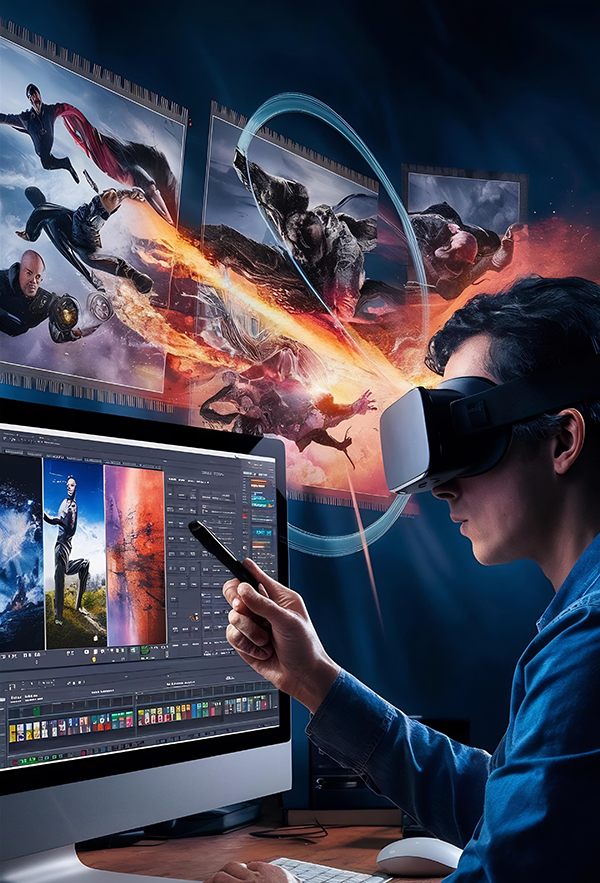

The creative and media industry is changing faster than ever before. Traditional skills alone are no longer enough to survive or grow in today’s competitive environment. Technology, automation, artificial intelligence, and digital tools are reshaping how content is created, distributed, and consumed across the world. From filmmaking and animation to marketing, design, and social media, almost every creative field now depends heavily on technology.
This shift has created a strong demand for professionals who not only have creative talent but also understand modern tools, platforms, and intelligent systems. This is where Tech Education for Media & AI Professionals becomes essential. It bridges the gap between creativity and technology, helping individuals become future-ready, industry-relevant, and job-prepared.
Webliquidstudio Institute stands at the forefront of this transformation. Known for its industry-focused approach, the institute offers practical learning in video editing, graphic design, VFX, advanced 3D animation, and AI-driven creative technologies. By combining hands-on training with real-world exposure, Webliquidstudio Institute prepares learners for careers that align with current and future industry needs.
In today’s digital economy, media professionals who understand technology have a significant advantage. This blog explores what modern tech-driven media education means, why it matters, who should pursue it, and how Webliquidstudio Institute supports learners in building strong, sustainable creative careers.
Tech education in the context of media and artificial intelligence refers to structured learning that integrates creative skills with modern digital tools, software, automation systems, and AI-powered workflows. It goes beyond basic theory and focuses on practical application, real-world projects, and industry-standard practices.
Unlike traditional media education, which often focuses only on artistic aspects, this form of education blends creativity with technology. Students learn how to use professional software, AI tools, advanced editing systems, data-driven content strategies, and emerging media technologies.
Key Elements of Modern Media & AI Education
- Digital content creation tools and platforms
- AI-assisted design, editing, and automation
- Visual effects and advanced animation techniques
- Creative problem-solving using technology
- Understanding industry workflows and pipelines
- Real-world project execution and portfolio development
This approach helps learners understand not just how to create content, but also why certain tools and methods are used in professional environments.
Industry Relevance
Media companies, production houses, digital agencies, and tech startups are actively looking for professionals who can work efficiently using modern tools. AI is now assisting in video editing, image generation, motion graphics, sound design, and even content planning. Professionals trained in these technologies are more productive, adaptable, and valuable in the job market.
By learning through a technology-driven curriculum, students stay aligned with current industry standards and are better prepared for evolving roles.
1. Rapid Industry Evolution
Media industries evolve faster than traditional education systems. New tools, formats, and platforms emerge constantly. Professionals who rely only on outdated skills often struggle to stay relevant. Continuous tech-based learning ensures adaptability and long-term career stability.
2. Growing Demand for Hybrid Skills
Employers now seek individuals who can combine creativity with technical efficiency. A graphic designer who understands AI tools, or a video editor who can automate workflows, has a clear edge over others.
3. AI is Reshaping Creative Work
Artificial intelligence is not replacing creativity; it is enhancing it. AI helps speed up repetitive tasks, improve quality, and open new creative possibilities. Professionals who know how to work with AI rather than fear it will lead the industry forward.
4. Expanding Career Opportunites
With the rise of digital content, OTT platforms, online marketing, gaming, virtual production, and immersive media, career opportunities are expanding rapidly. Tech-enabled media education allows learners to explore multiple career paths instead of being limited to a single role.
5. Global Career Access
Technology removes geographical limitations. Skilled media professionals can work with global clients, international studios, and online platforms from anywhere. Learning industry-standard tools opens doors to worldwide opportunities.
Webliquidstudio Institute focuses on building practical, job-ready skills rather than just theoretical knowledge. The institute understands industry requirements and designs its courses accordingly.
Industry-Oriented Teaching Approach
The teaching methodology at Webliquidstudio Institute is designed to be practical, interactive, and application-focused. Students learn by doing, not just listening.
- Step-by-step training on professional tools
- Live demonstrations and hands-on sessions
- Project-based learning modules
- Continuous skill assessment and improvement
Updated Curriculum Aligned with Industry Trends
Courses are regularly updated to match current industry standards. Learners gain exposure to the latest software, techniques, and workflows used by professionals worldwide.
- Video editing with advanced tools
- Graphic design using modern design systems
- VFX and animation with industry pipelines
- Introduction to AI-assisted creative tools
Practical Training & Real-World Exposure
Students work on real projects that simulate professional environments. This experience builds confidence, improves problem-solving skills, and helps create a strong portfolio.
- Real-world assignments
- Portfolio development support
- Industry-based project workflows
- Practical exposure to creative challenges
Mentorship & Professional Guidance
Experienced mentors guide students throughout their learning journey. Career advice, skill feedback, and professional insights help learners make informed decisions about their future.
Technology-driven media education is suitable for a wide range of learners. Whether someone is just starting out or already working in the industry, these programs offer valuable benefits.
Students
Students who are interested in creative fields such as design, animation, video production, or digital media can build strong foundations with industry-oriented training. Early exposure to professional tools helps them become job-ready faster.
Working Professionals
Professionals already working in media, marketing, or creative roles can upgrade their skills to stay relevant. Learning modern tools and AI workflows improves productivity and career growth.
Creators & Freelancers
Independent creators, YouTubers, freelancers, and digital entrepreneurs can enhance the quality of their work, streamline workflows, and expand income opportunities by mastering advanced tools and techniques.
Career Switchers
Individuals looking to shift from traditional careers into creative technology fields can gain structured training and practical exposure to start fresh with confidence.
Completing a technology-driven media education program opens doors to diverse career paths across multiple industries.
Popular Job Roles
- Video Editor
- Motion Graphics Designer
- Graphic Designer
- VFX Artist
- 3D Animator
- Multimedia Designer
- AI-Assisted Content Creator
- Creative Technologist
Freelancing & Independent Work
Many learners choose freelancing as a career option. With the right skills and portfolio, professionals can work with clients globally.
- Freelance video editing
- Design and branding services
- Animation and VFX projects
- Online content creation
Industry Sectors
- Media and entertainment
- Advertising and marketing agencies
- Film and television production
- OTT and digital platforms
- Gaming and animation studios
- Corporate media departments
- Startups and tech companies
The flexibility of skills allows professionals to move between industries and explore multiple income streams.